
NFT Development
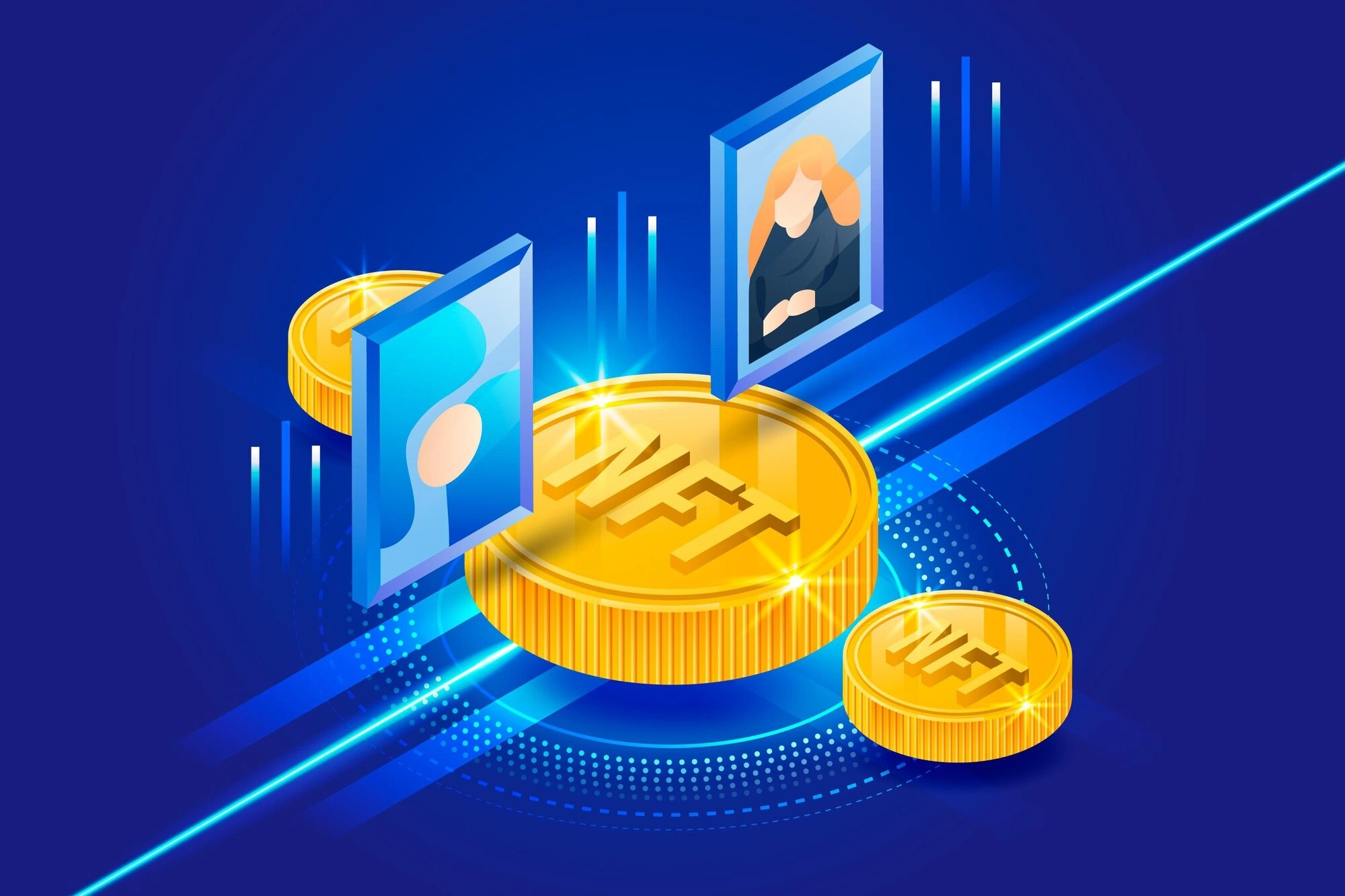
NFT (Non-Fungible Token) development involves creating unique digital assets on blockchain networks, allowing ownership, provenance, and authenticity of digital items to be verifiable and secure. From art, music, and collectibles to real estate and virtual assets, NFTs provide a new paradigm for monetizing creativity and digital experiences. By leveraging blockchain technology, NFTs provide secure, transparent, and tamper-proof proof of ownership, ensuring authenticity and eliminating counterfeit risks. The underlying smart contracts automate processes like royalty distribution, transfers, and access control, empowering creators to monetize their work effectively while retaining control over their intellectual property.
NFT Development – Unique, Secure, and Scalable
NFT (Non-Fungible Token) development is the process of creating, managing, and deploying one-of-a-kind digital assets on blockchain networks. Unlike cryptocurrencies, NFTs are unique and indivisible, representing ownership of digital or physical assets such as art, music, videos, collectibles, virtual real estate, and in-game items. By leveraging blockchain technology, NFT development ensures security, transparency, and immutability of ownership records. Smart contracts automate transactions, royalty distributions, and asset transfers, eliminating intermediaries and ensuring that creators retain control and receive fair compensation for their work. NFT (Non-Fungible Token) development is revolutionizing the way digital assets are created, owned, and traded. Beyond art and collectibles, NFTs are becoming a cornerstone of digital identity, intellectual property rights, and virtual economies.
Enterprise NFT Solutions – Unique, Secure, and Value-Driven
Enterprise NFT solutions focus on leveraging blockchain technology to create, manage, and deploy non-fungible tokens (NFTs) for businesses and large-scale projects. Unlike standard digital assets, NFTs are unique, indivisible, and verifiable, representing ownership of digital or real-world assets such as intellectual property, branded collectibles, virtual real estate, in-game items, digital art, and more. By integrating NFTs into enterprise ecosystems, organizations can unlock new avenues for digital monetization, customer engagement, and asset liquidity.

Custom NFT Creation
Enterprises can design and mint unique digital assets tailored to their brand, products, or services, ensuring exclusivity and enhanced customer engagement.
Secure Blockchain Ownership
NFTs leverage blockchain technology to provide tamper-proof, verifiable ownership records, safeguarding enterprise digital assets from fraud and duplication.
Smart Contract Automation
Automated smart contracts handle transactions, royalty distribution, and access permissions, reducing operational overhead and ensuring transparency.

Marketplace Integration
Enterprise NFTs can be seamlessly integrated into existing marketplaces or proprietary platforms, enabling global trading, auctions, and secondary sales.
Asset Tokenization
Physical or digital assets, including intellectual property, collectibles, or virtual real estate, can be tokenized as NFTs to unlock liquidity and new revenue streams.
Scalability for Enterprise Needs
Enterprise NFT solutions are designed to handle large-scale operations, supporting high transaction volumes and multi-asset ecosystems efficiently.
NFT Asset Management Solutions – Unique, Reliable, and Growth-Focused
NFT Asset Management Solutions provide enterprises, creators, and investors with a comprehensive framework to create, manage, and optimize their NFT portfolios. These solutions focus on maximizing the value, security, and utility of non-fungible tokens (NFTs) while enabling seamless integration into digital ecosystems, marketplaces, and enterprise platforms. By leveraging blockchain technology, NFT asset management ensures verifiable ownership, transparent provenance, and secure transactions. Smart contracts automate key processes, including minting, royalty distribution, transfers, and compliance, reducing operational overhead and mitigating risks associated with manual management.
NFT Tokenization Framework – Secure, Efficient, and Globally Accessible
NFT Tokenization Frameworks provide a robust infrastructure for creating, managing, and deploying non-fungible tokens (NFTs) at scale. These frameworks enable businesses, creators, and enterprises to digitally represent ownership of unique assets, including art, collectibles, virtual real estate, intellectual property, in-game items, and more. By leveraging blockchain technology, the framework ensures security, transparency, and global accessibility for all tokenized assets. Smart contracts form the backbone of this framework, automating transactions, royalty distributions, and access controls, while eliminating intermediaries. This reduces operational overhead and ensures that NFT ownership and transfer records are tamper-proof and verifiable. The framework also supports integration with NFT marketplaces, enterprise platforms, and metaverse ecosystems, enabling seamless trading, monetization, and engagement.
FAQ
What is NFT Development?
NFT development is the process of creating, managing, and deploying unique digital assets on blockchain networks. These assets, called non-fungible tokens (NFTs), represent ownership of items such as digital art, collectibles, music, videos, virtual real estate, and in-game items, ensuring authenticity and verifiable provenance.
How are NFTs created or “minted”?
Which blockchains are commonly used for NFT development?
Popular blockchains for NFT development include Ethereum, Polygon, Solana, Binance Smart Chain, and Flow. Each blockchain offers different benefits in terms of scalability, transaction fees, security, and ecosystem support, allowing developers to choose the most suitable platform for their NFT projects.
What is the role of smart contracts in NFT development?
Smart contracts are self-executing programs on blockchain that automate NFT transactions, royalties, and ownership transfers. They ensure transparency, eliminate intermediaries, and guarantee that creators automatically receive compensation from primary and secondary sales.
Can NFTs represent physical assets?
Yes, NFTs can tokenize physical assets like real estate, luxury goods, or collectible items. The NFT acts as a digital certificate of ownership, allowing fractional ownership, secure transfers, and liquidity for traditionally illiquid assets while maintaining verifiable provenance.
How can NFTs be traded or sold?
NFTs can be listed on decentralized marketplaces like OpenSea, Rarible, or custom-built enterprise marketplaces. Buyers can purchase, bid, or trade NFTs using supported cryptocurrencies, and ownership transfers are recorded on the blockchain, ensuring secure and transparent transactions.
What are the benefits of NFT development for businesses and creators?
NFT development enables monetization of digital assets, enhanced customer engagement, and global reach. Businesses can create brand experiences, tokenize products, or integrate NFTs into games and metaverse platforms, while creators earn royalties and retain control over their intellectual property.